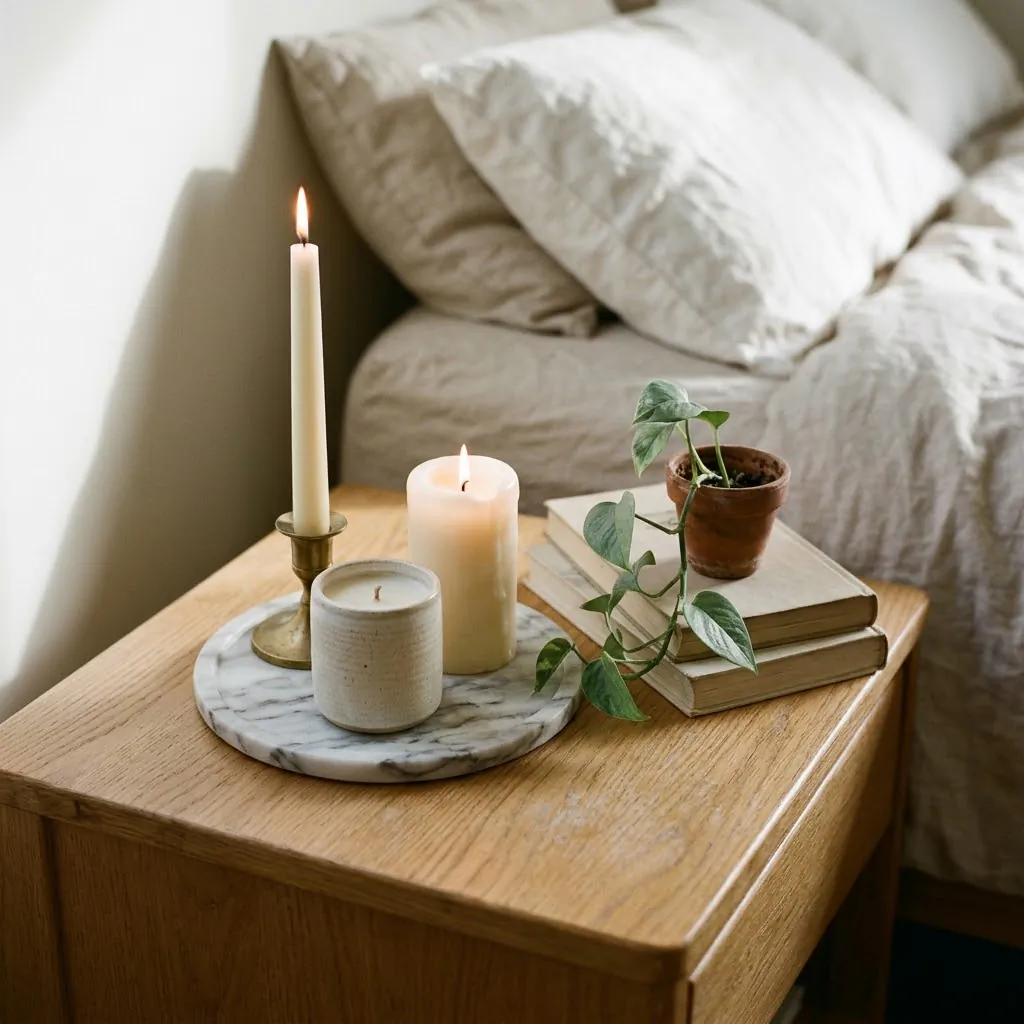
19 Bedroom Candle Ideas That Look Good on Any Budget

I have been decorating small rentals for most of my adult life, and I can tell you that the single cheapest way to change the feeling of a bedroom is also the most overlooked. It is not a new duvet. It is not rearranging the furniture. It is soft, warm, low light, and candles are the most affordable version of that you can buy.
But there is a real gap between “I bought some candles” and “this room actually looks calm and put-together.” A jar candle shoved on a corner of a nightstand does not do what a thoughtfully placed cluster of candles on a tray does. An overpowering synthetic scent burning while you try to sleep is the opposite of restful. And for renters in particular, there are real questions worth answering before you buy anything: are open flames allowed, where do you put them safely, and what actually works in a small space without looking cluttered?
This is the guide I wish I had earlier. We are going to cover 19 specific candle ideas organized by placement and purpose, plus honest notes on scent, wax type, budget, safety, and what is actually worth buying versus what you should skip.
Why Candles Work So Well in a Bedroom
A bedroom has one job: to help you rest. Everything in it should serve that goal, including the lighting. The problem with most bedroom lighting is that it is too bright, too cool, and too harsh for winding down. Overhead lights signal “be productive.” Warm candlelight signals something else entirely. It slows you down. It makes the room feel smaller in the best way, contained and cozy rather than exposed.
You do not need expensive candles to get that effect. You need the right placement, a little intention, and a basic understanding of what makes candles look styled rather than random.
A Quick Word on Scent and Sleep
Before we get into the ideas, let’s talk about scent, because it matters more in a bedroom than anywhere else in your home.
Research published in Alternative Therapies in Health and Medicine and available through the National Institutes of Health found that inhaled lavender combined with sleep hygiene practices improved sleep quality significantly compared to sleep hygiene alone, with that effect remaining at a two-week follow-up. That is not a small or casual finding. It supports what a lot of people already sense intuitively: certain scents genuinely help a bedroom feel like a place to rest.
For a bedroom, lean toward lavender, chamomile, sandalwood, cedar, vanilla, or soft musks. These are calming, not stimulating. Stay away from citrus, peppermint, and anything labeled “energizing” in a space where you sleep. Eucalyptus can go either way; it is great for a bathroom or morning routine, but can feel too sharp at night for some people. And if you or anyone in your household is sensitive to fragrance, unscented pillar candles or flameless candles are a completely valid and genuinely beautiful choice. The visual warmth of candlelight is half the magic regardless of scent.
The Wax Question: Soy vs. Paraffin in a Bedroom
Here is something most candle roundups skip. In a bedroom where you are spending 7 to 8 hours breathing, the type of wax in your candle is worth knowing about. An experimental study comparing soy and paraffin wax candles on indoor air quality found that soy candles produced dramatically lower levels of particulates, VOCs, and nitrogen oxides than paraffin candles. Beeswax candles perform comparably to soy in this regard.
For a bedroom, I would lean toward soy or beeswax candles over paraffin if you are burning them regularly. Budget soy options are easy to find in the $10 to $18 range, so this does not have to be an expensive choice. That said, if you already own paraffin candles and burn them safely with the window slightly cracked, you are not in danger territory. Just something to keep in mind when you are choosing new ones.
The 19 Ideas, Organized by Where They Go
The Nightstand: 5 Ideas That Work in a Tiny Footprint
The nightstand is the most natural spot for a bedroom candle because it is already at eye level when you are in bed, which is exactly where soft, warm light should be. The challenge is that most nightstands are small, and they already have to hold a lamp, a phone, a glass of water, and probably a book. Here is how to make it work without cluttering the whole surface.
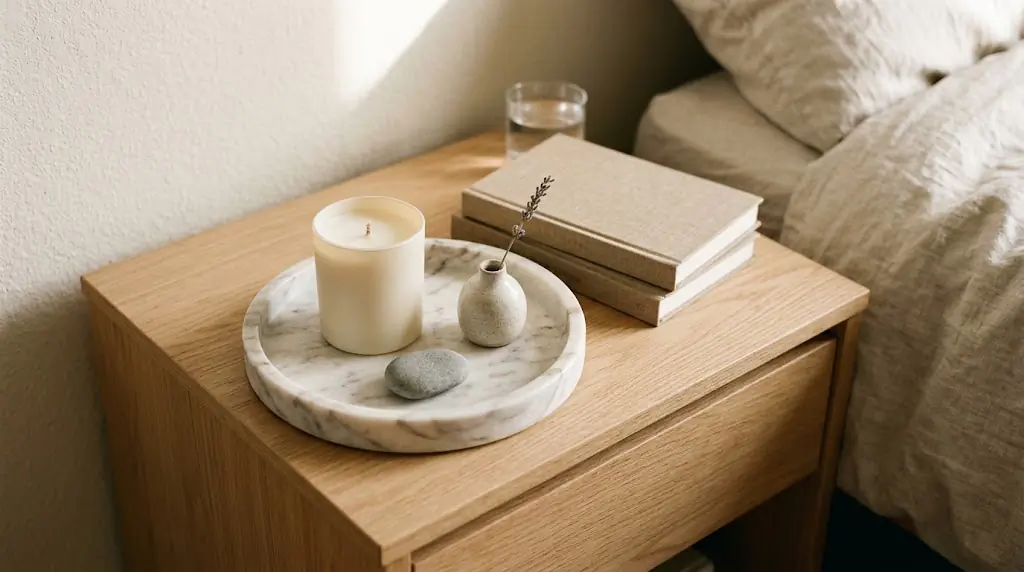
1. One Jar Candle on a Small Tray
The tray is doing more work than it looks like. It defines a contained little zone, which makes even a single candle look intentional rather than abandoned. A round marble tray, a small wooden slice, or a simple ceramic dish from the thrift store all work. The candle sits on top, you might add a small river stone or a tiny succulent beside it, and suddenly you have a little vignette instead of just a candle.
2. A Taper Candle in a Simple Holder
Taper candles are having a moment in home decor right now, and honestly they deserve it. They are long and slender, which means they add height without taking up surface area. A single taper in a brass, ceramic, or concrete holder on a nightstand looks surprisingly sophisticated for something that can cost under $3 per candle. The key is keeping the holder simple and sturdy. Avoid anything wobbly.
3. Stack + Candle Pairing
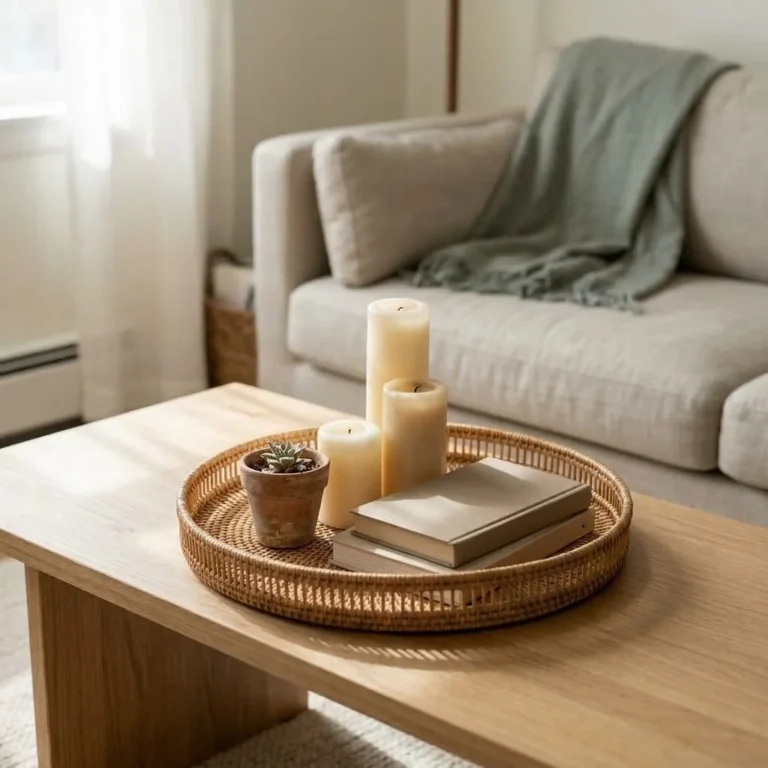
One of the easiest nightstand styling tricks: stack two or three books, place a small votive or tea light on top in a glass holder. The books add height variation, the candle crowns the stack, and the whole thing takes up about the same space as a water glass. This works in literally every style, from minimalist to cottagecore to modern.
4. Two Different Heights, Same Finish
If you want slightly more presence without crowding the nightstand, try two candles: one shorter jar and one taller taper or pillar, both in the same color or finish. Matching finish (both in matte white, both in earthy terracotta tones, both in clear glass) ties them together visually so they read as a set rather than two random objects.
5. A Single Pillar on a Heatproof Coaster
Sometimes one is enough. A wide, sturdy pillar candle in a neutral color (white, cream, beeswax tan, sage green) set directly on a heatproof coaster or ceramic dish on the nightstand is clean and calm. Do not overthink it. One candle in the right spot can do more than five candles in the wrong arrangement.
The Dresser or Chest of Drawers: 4 Ideas
A dresser top is one of the best styling surfaces in a bedroom because it is usually wider than a nightstand and at eye level when standing. Candles here are more decorative than functional since you are not likely to be reading by their light, but they add warmth and personality to a surface that otherwise tends to collect random clutter.
6. A Tray Vignette with Three Objects
The rule of three works especially well on a dresser. Group a candle, a small plant or dried flower stem, and one more object (a perfume bottle, a small trinket, a framed photo) together on a rectangular tray. Odd numbers feel more organic than even numbers. Keep everything within the footprint of the tray and the dresser top feels curated rather than busy.
7. Candle Cluster at Varying Heights
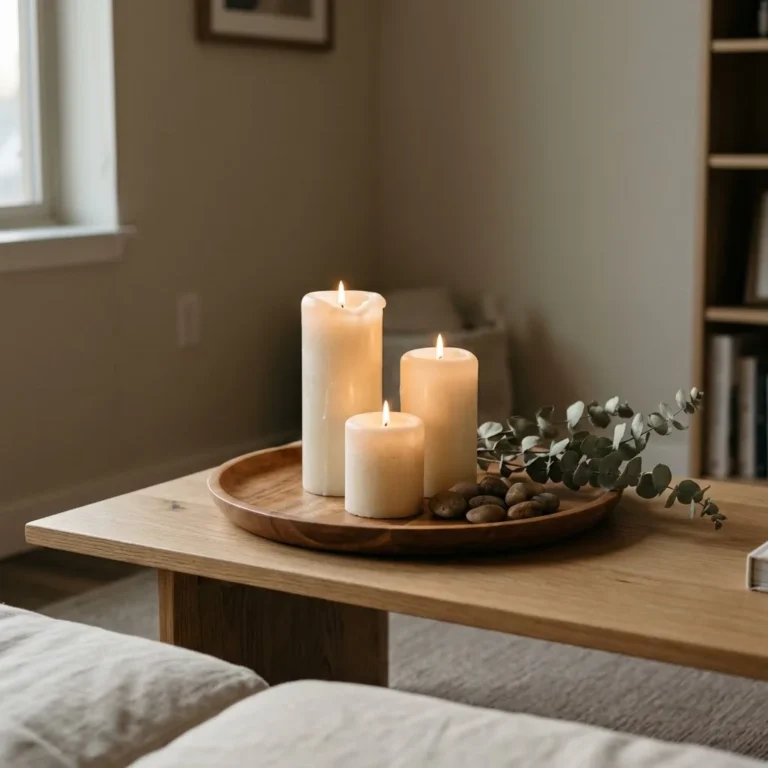
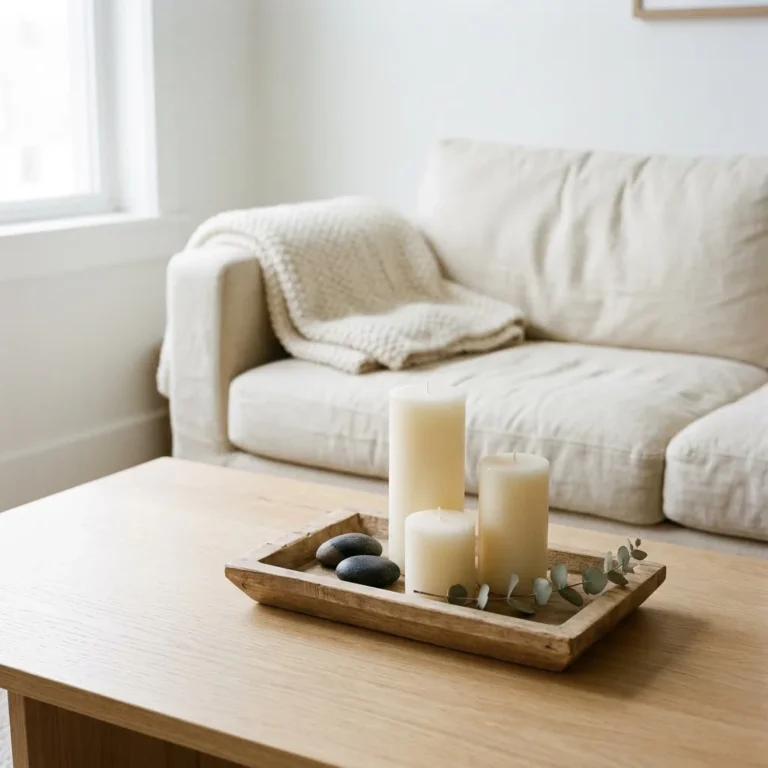
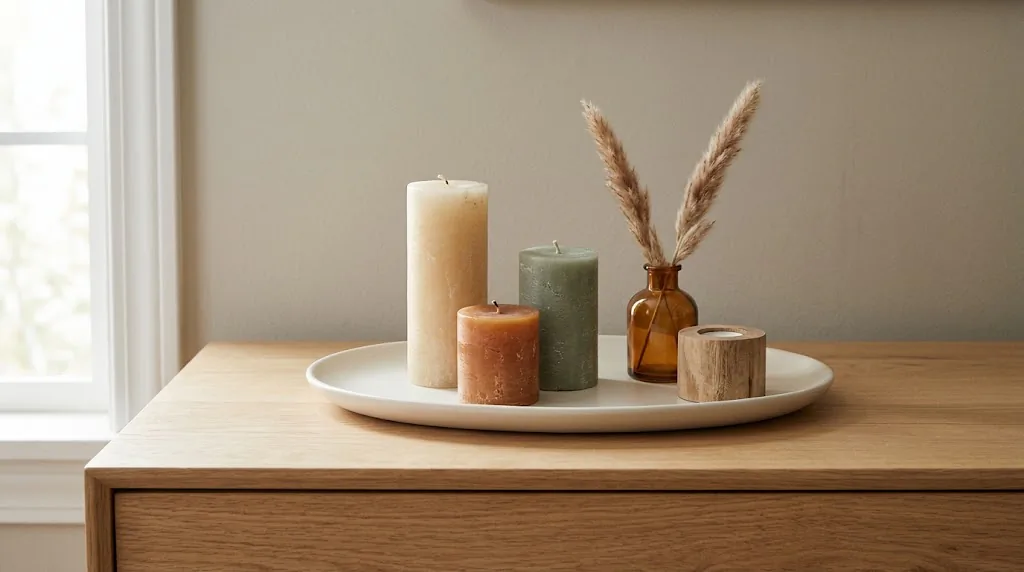
Group three pillar candles of different heights on a ceramic plate, a wooden board, or a low tray. The National Candle Association recommends keeping grouped candles at least 3 inches apart, so size your tray or plate accordingly. Vary the heights significantly so there is a clear tall, medium, and short in the grouping. This looks rich and layered without requiring expensive candles.
8. Candles Flanking a Mirror
If your dresser has a mirror, two matching candles or candlestick holders placed symmetrically on either side create a balanced, almost formal look that works beautifully in minimalist, modern, or romantic bedroom styles. The mirror doubles the candlelight and makes the whole arrangement feel more dramatic without adding a single extra piece.
9. Seasonal Refresh on the Dresser
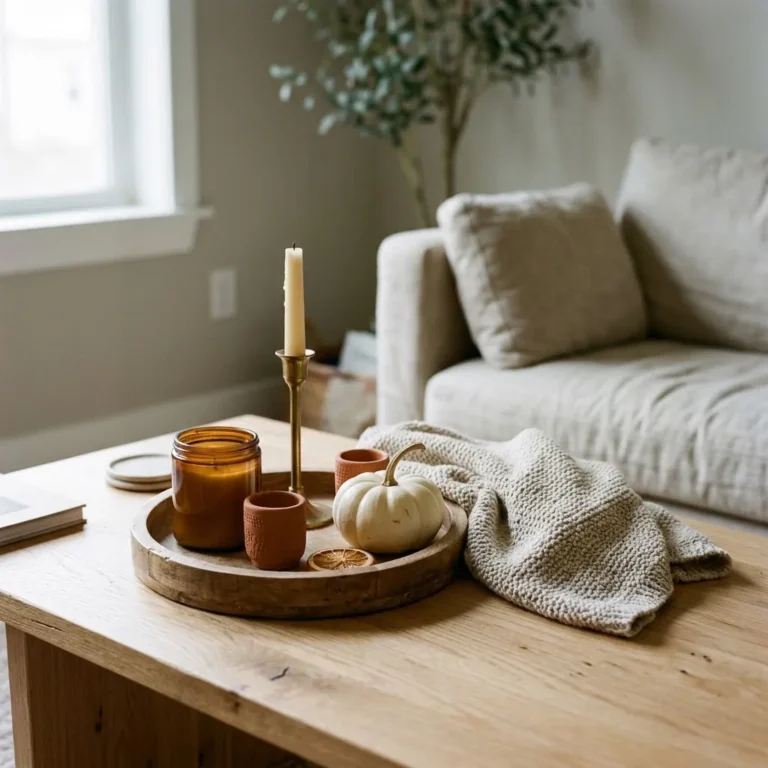
A dresser is one of the easiest surfaces to refresh seasonally without moving a single piece of furniture. In fall and winter, swap in pillar candles in amber, rust, or deep cream tones, tuck in a few dried seed pods or a small pine cone, and the whole surface shifts for $10 or less. In spring and summer, keep it lighter: a white or sage candle, a bud vase with a single stem, something airy. Your budget refreshes are already sitting in the candle aisle.
Floating Shelves and Bedroom Shelving: 3 Ideas
Shelves let you get candle light up higher in the room, which changes the atmosphere in a subtly different way than ground-level or nightstand candles. The glow bounces up along the wall, adding warmth to a vertical space that otherwise just holds objects.
10. Candle Among Books and Objects
A candle tucked between a short stack of books and a small plant on a bedroom shelf is one of those arrangements that looks pulled from a magazine but costs almost nothing to achieve. The trick is not to symmetrize everything. Let things feel a little lived-in and layered. One candle, not three, and let the books and greenery do the rest of the work.
11. A Single Taper at the End of a Shelf
A tall taper candle in a minimal holder at the far end of a bedroom shelf adds vertical punctuation. It draws the eye to the edge of the shelf and makes the whole arrangement feel finished. This is a great use for a single candle when you do not want to devote a lot of shelf space to a full grouping.
12. A Row of Three Tea Lights in Matching Holders
If you have a longer shelf with some empty real estate, a straight row of three matching tea light holders (all glass votives, all ceramic cups, all small brass cups) looks clean, modern, and intentional. Uniformity here reads as a design choice rather than randomness. Budget for this is low: glass votive holders run $1 to $3 each at most home stores.
Flameless Candles: 3 Ideas for Renters, Dorm Dwellers, and Light Sleepers
I want to spend real time here because flameless candles are the single most underrated bedroom candle option. If you are in a dorm, a building with strict fire restrictions, or you simply worry about falling asleep with a candle burning (which is a legitimate concern), flameless candles are not a sad backup plan. Modern flickering LED candles with realistic flame movement are genuinely lovely, and Southern Living‘s tested guide to the best flameless candles confirms that several current options are convincingly realistic, especially in lower light.
13. Battery-Operated Pillar Candles on a Nightstand Tray
The best flameless pillar candles use warm amber bulbs and a subtle flicker algorithm that mimics a real flame. On a nightstand tray, grouped with a small plant or a river stone, they look the same as real candles from three feet away. They run on batteries or USB, many have timers so they turn off automatically after 4 or 6 hours, and you can leave them on while you fall asleep without a second thought.
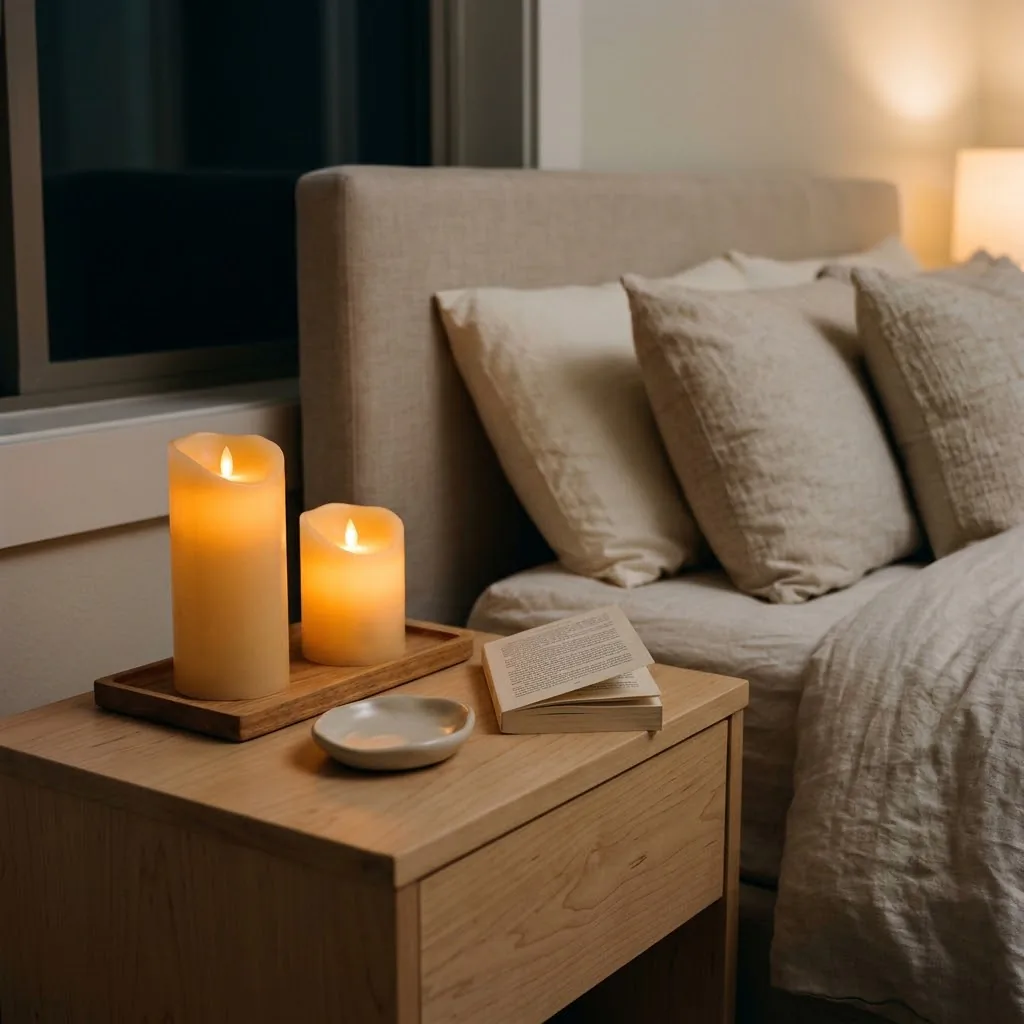
For renters or anyone with a no-open-flame clause, this is the answer.
14. LED Tea Lights in Decorative Holders
Small LED tea lights in glass votives, ribbed glass cups, or paper bags (for holiday use) are one of the cheapest mood-lighting tricks in home decor. A six-pack typically costs $8 to $12. Place them across a dresser in a loose cluster, or line three along a windowsill. They cast the same warm pooling glow as a real tea light, with zero fire risk.
15. A Flameless Wax Pillar in a Lantern
A pillar-style flameless candle inside a small lantern (glass and metal, $15 to $30 at most home stores) is a particularly good look in boho, coastal, and cottagecore bedrooms. The lantern adds height, frames the light, and makes the whole thing look like a proper decor object rather than a battery-operated substitute.
Style-Specific Candle Ideas: 4 More Looks
Your candle choices extend and reinforce the overall aesthetic of your bedroom. Here is how the same basic idea shifts depending on your style.
16. Boho Bedroom: Earthy Tones, Organic Shapes, Mixed Textures
In a boho-leaning room, reach for candles in terracotta, cream, rust, or beeswax tones. Look for candles in ceramic pots, ribbed glass, or handmade-looking vessels. Pair them with woven trays, dried pampas grass, trailing plants, and raw wood holders. The slightly imperfect and handcrafted feeling is the whole point. Etsy is a genuinely good source for small-batch soy candles in earthy vessels that fit this look.
17. Minimalist Bedroom: White, Concrete, and Negative Space
In a minimalist room, less is more and that applies to candles too. One or two candles maximum. Go for pure white pillar candles, concrete holders, or unadorned glass jars. No labels visible, no decorative flourishes on the vessel. Let the candle be one clean object in a room of clean objects. The restraint is what makes it look intentional.
18. Cottagecore Bedroom: Candlesticks, Beeswax, Dried Flowers
Cottagecore bedrooms were practically built for candles. Mismatched candlestick holders in brass and ceramic, drippy taper candles in ivory or sage green, clusters near a window with dried lavender and pressed flowers nearby. The warmth and slight imperfection of this look is very forgiving, which makes it one of the easiest aesthetic candle setups to achieve on a thrift budget.
19. Modern/Sleek Bedroom: Monochromatic, Sculptural Vessels
In a modern bedroom, the vessel matters as much as the candle. Look for sculptural concrete, matte black, or smoked glass holders. Stick to one or two tones maximum. A single tall sculptural candle on a low surface can anchor a whole nightstand without needing anything else around it. The sculptural form of the candle itself is the decor object.
How to Make Candles Look Good, Not Random: The Basic Styling Rules
Whether you have two candles or twelve, these styling principles apply across every idea above.
Work in odd numbers when grouping. Three candles read better than two or four. Vary the heights within a group so the eye has somewhere to travel. Keep everything on a tray or plate so the grouping has a visual boundary and any wax drips are contained. Connect your candle vessels to the other materials in your room: if you have a lot of warm wood tones, go for ceramic or wooden holders. If your room is cool and airy, clear glass and concrete read better.
Edit ruthlessly. One of the most common mistakes is adding too many candles to a small bedroom. Three to five candles across the whole room is plenty. More than that starts to feel crowded, and you lose the calm effect you were going for in the first place.
Candle Care: The Habits That Make a Difference
This section might save you from a genuinely frustrating experience. Most people who “don’t like” a candle after a few uses are actually experiencing a problem that was completely preventable.
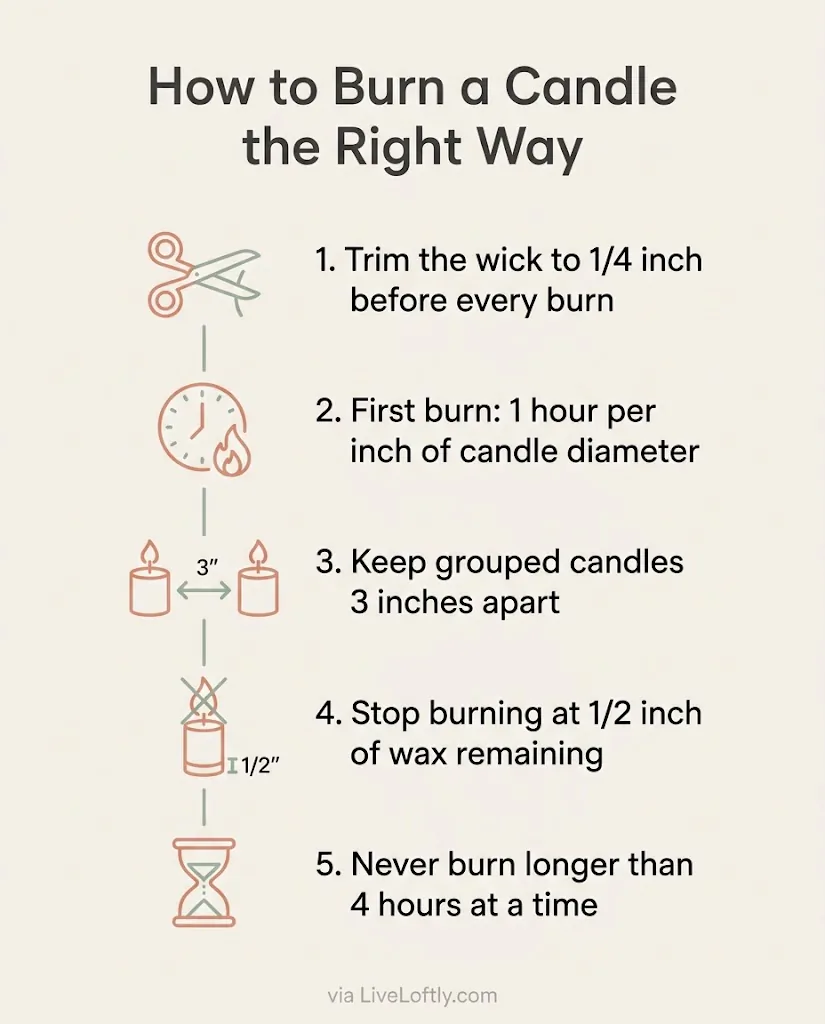
The first burn is the most important one. According to the National Candle Association’s candle care guide, a candle should burn for 1 hour for every inch of its diameter on the first lighting. A 3-inch-wide jar candle needs at least 3 hours on that first burn to melt the wax all the way to the edges. If you skip this, you create a “memory ring” and the candle will tunnel for its entire life, wasting most of the wax and scent.
Trim your wick to ¼ inch before every single burn. It takes 10 seconds and it prevents soot, high flames, and mushrooming that makes candles look messy and burn unevenly. Stop burning a candle when about ½ inch of wax remains at the bottom. And never burn any candle for longer than 4 hours in a sitting.
Bedroom Candle Safety: What You Actually Need to Know
I want to be straightforward about this because it genuinely matters, especially in a bedroom. According to the U.S. Fire Administration, about 20 home candle fires are reported every day in the United States, and the bedroom is the most common room where those fires start. Sleep is a factor in a significant portion of candle fire deaths.
The clearest guidance from both fire safety authorities is: do not burn candles in a bedroom while sleeping or unattended.
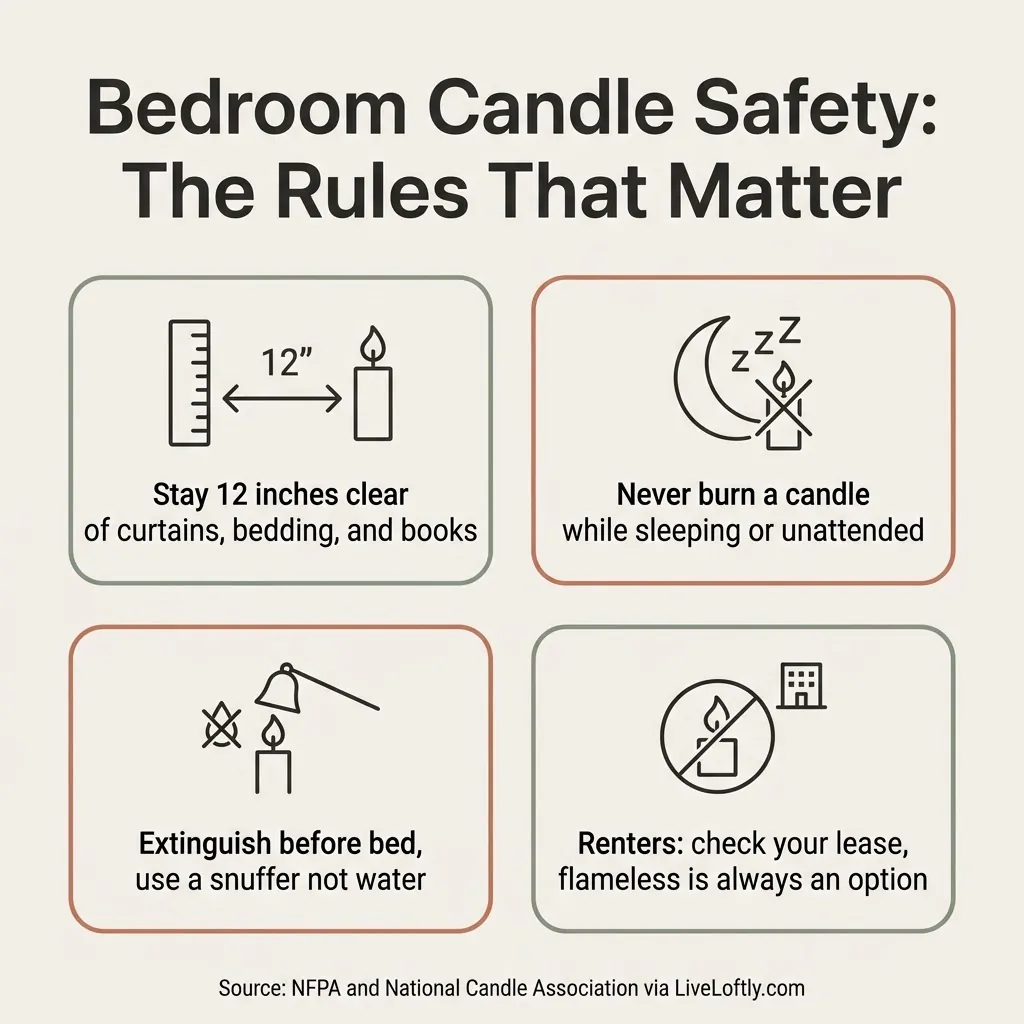
Keep candles at least 12 inches from curtains, bedding, books, and anything else that could catch. Use stable, heat-resistant holders. And for more complete safety guidelines, the National Candle Association’s safety page covers everything from wick trimming to the ASTM standards candles should meet.
The practical takeaway for a bedroom: burn your candles while you are awake and in the room, ideally during the wind-down part of your evening routine before you get into bed. Then extinguish them before you sleep. Use a candle snuffer rather than blowing them out, which can spray hot wax. And if you want candles burning while you sleep for ambient light? That is exactly the use case flameless candles were made for.
A Note on Budget: What to Spend, What to Skip
You can absolutely find beautiful aesthetic candles for a bedroom without spending much. In the $8 to $15 range, you will mostly find paraffin jar candles from mass-market brands. They can look nice, especially in glass jars, but the scent throw and burn quality often feel flat. In the $18 to $35 range, you get into better soy candles with more complex and realistic fragrance blends. This is genuinely the sweet spot for a bedroom candle you will actually love using. Above $35, you are paying for branding, beautiful vessels, and in some cases truly exceptional fragrance, but it is not required for a calm, pretty bedroom.
For vessels and holders, thrift stores and dollar stores are completely worth checking. A plain glass votive holder is a plain glass votive holder regardless of where it came from. Candlestick holders especially tend to turn up at thrift stores for $1 to $3 and they can look beautiful.
The Renter Reality Check
If your lease has a no-open-flame clause (many apartments and essentially all dorms do), go flameless. The realistic flickering LED options available now are genuinely good, and no candle aesthetic is worth losing your deposit or, more importantly, your home. If your lease is silent on candles, use common sense: good holders, nothing near fabric, never burning unattended. Most landlords who do inspections are not concerned about a jar candle on a nightstand tray in a room with normal clearance. They are concerned about wax on carpets, burns on surfaces, and evidence of fire risk. A thoughtfully placed candle in a proper holder on a stable surface checks none of those boxes.